

As the construction industry continues to grow at a rapid pace, ensuring the safety of workers on construction sites has become an increasingly urgent priority. This is not simply a corporate obligation. It is a matter of personal awareness and individual accountability.
The Reality of Workplace Accidents in Construction
Construction is widely recognized as one of the industries with the highest rates of workplace accidents. The working environment presents a constant array of hazards, including work at height, operation of heavy machinery, exposure to hazardous materials, and demanding weather conditions. These factors create persistent risks for workers on a daily basis.
When accidents happen, the consequences extend far beyond physical injury and material loss. They affect the psychological well-being of the entire workforce and damage the reputation of the business. They also place additional strain on surrounding communities near active construction zones.
Defining Safety Awareness in the Workplace
Safety awareness is not simply a matter of knowing the rules or having attended a training session. It is the capacity to recognize potential hazards in each action and at each stage of work, and to respond appropriately to prevent harm.
A worker with a high level of safety awareness is one who consistently and voluntarily takes all protective measures before beginning any task. They do not require constant supervision to follow proper procedures, because they understand that any lapse in judgment can lead to serious consequences for themselves and those around them.
The Role of Personal Protective Equipment
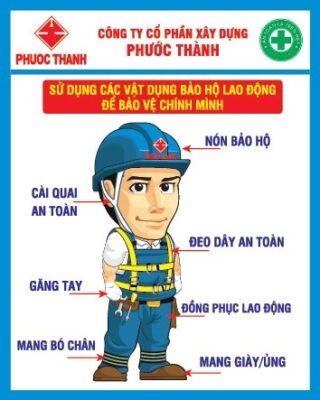
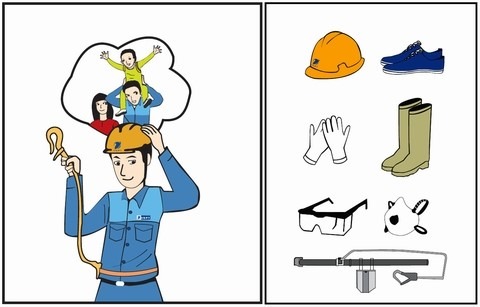
Personal protective equipment serves as the final line of defense between a worker and potential injury. Steel-toed safety boots with puncture-resistant soles protect feet from sharp objects and falling items. Hard hats are mandatory on every construction site to guard against head injuries.
Safety goggles prevent debris, sparks, and chemicals from reaching the eyes during cutting, grinding, or welding operations. Harnesses and fall-arrest devices are critical when working at height. Gloves shield hands from cuts, chemical exposure, and extreme temperatures.
However, having the right equipment and failing to use it correctly renders all of it meaningless. Many accidents occur not because protective gear was unavailable, but because workers made the careless decision to leave it aside.

The Benefits of a Stronger Safety Culture
When every individual within an organization takes safety seriously, the entire work environment becomes safer for all. This protects not only personal health and well-being but also the lives of fellow workers.
From a business perspective, a strong safety culture reduces costs associated with accidents, retains experienced personnel, and improves overall productivity. Brand reputation is also strengthened when a company demonstrates a genuine commitment to protecting its workers.
For society as a whole, fewer workplace accidents mean less pressure on healthcare systems and social insurance funds. Families are able to maintain stable lives when those they depend on are not placed at high risk every day.
Practical Measures to Strengthen Safety Awareness
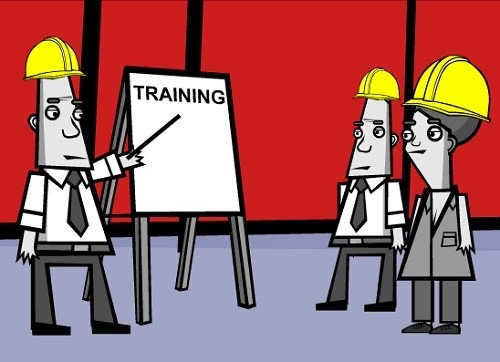
Regular training is indispensable. Training sessions need to be held consistently, not only when new staff join but as ongoing reinforcement for long-serving employees as well. Training content must reflect real-world situations and incorporate lessons learned from past incidents.
Encouraging a culture of questions and open communication is equally important. Workers should feel empowered to raise concerns when they are uncertain about a safety procedure, rather than staying silent and acting on assumption. Sharing knowledge and experience between team members builds a collective understanding of risk.

Ultimately, a workplace where safety is treated as every individual’s responsibility, not just management’s, is one where people can perform at their best with confidence that they are protected. That culture, once built, becomes one of an organization’s most valuable and enduring assets.